
You have probably heard people talk about the Korean skincare routine and wondered whether it is actually for you, or whether it requires an hour in front of the mirror and a shelf full of products you cannot pronounce. It doesn't. The 10-step Korean skincare routine is more of a philosophy than a rigid prescription — it is built around the idea that your skin deserves consistent, layered care rather than a single product doing everything at once.
This guide breaks down every step clearly: what it does, why the order matters, and how to adapt it to your skin type. If you are completely new to K-beauty, there is a beginner shortcut at the end.
The core logic of K-beauty is simple: apply products from thinnest to thickest. Lighter, water-based products absorb into skin first and prepare it to receive the richer ones that follow. Applying a heavy cream before a watery toner, for example, creates a barrier that stops the toner from penetrating at all. Get the order right and each product works harder.
The first cleanse is done with an oil or balm — applied to dry skin — to dissolve sunscreen, makeup, and excess sebum. Oil cleansers work because like attracts like: oil picks up oil-based impurities that water alone cannot shift. This is the foundation of the Korean double cleanse method.
👉 If you skip makeup or sunscreen entirely, you can skip this step. For everyone else, it's the most important one.
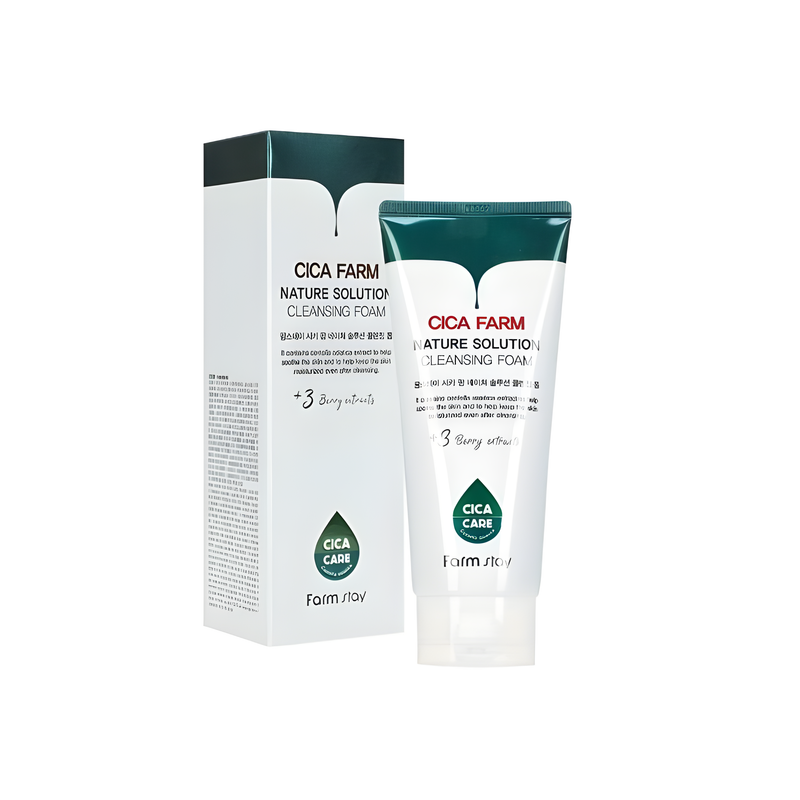
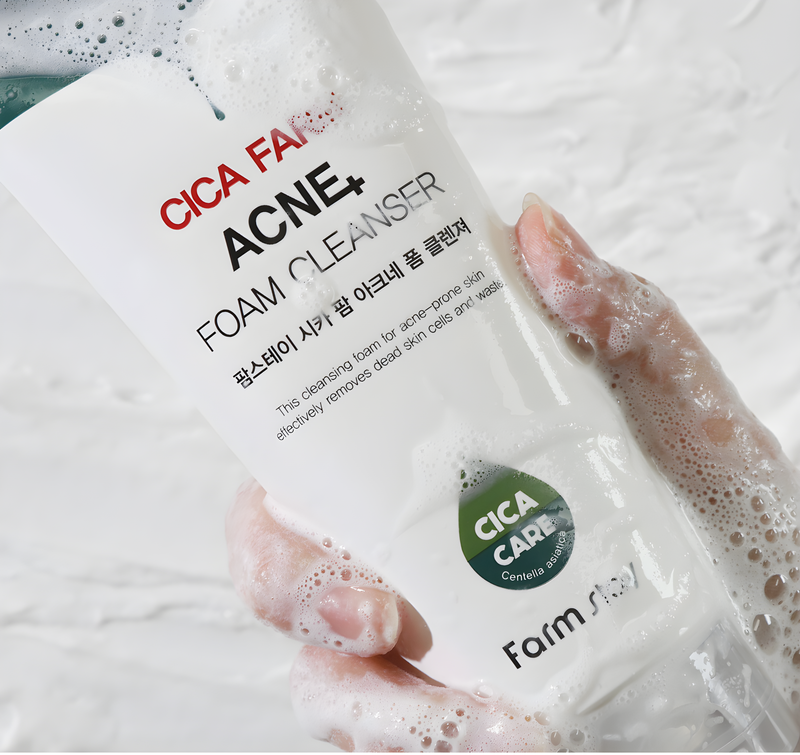
The second cleanse uses a gentle foam or gel to remove what the oil cleanser left behind — water-based debris, sweat, environmental residue. Korean cleansers tend to be formulated at a slightly acidic pH, which protects the skin barrier rather than stripping it. If your skin feels tight after washing, your cleanser is too harsh.
Exfoliation removes the layer of dead cells that dulls skin and prevents active ingredients from absorbing. You have two options: physical exfoliation (scrubs, which give an immediate smoothing effect) or chemical (AHA/BHA products, which work deeper and are gentler long-term for most skin types). Neither should be used daily. Two to three times a week is enough.
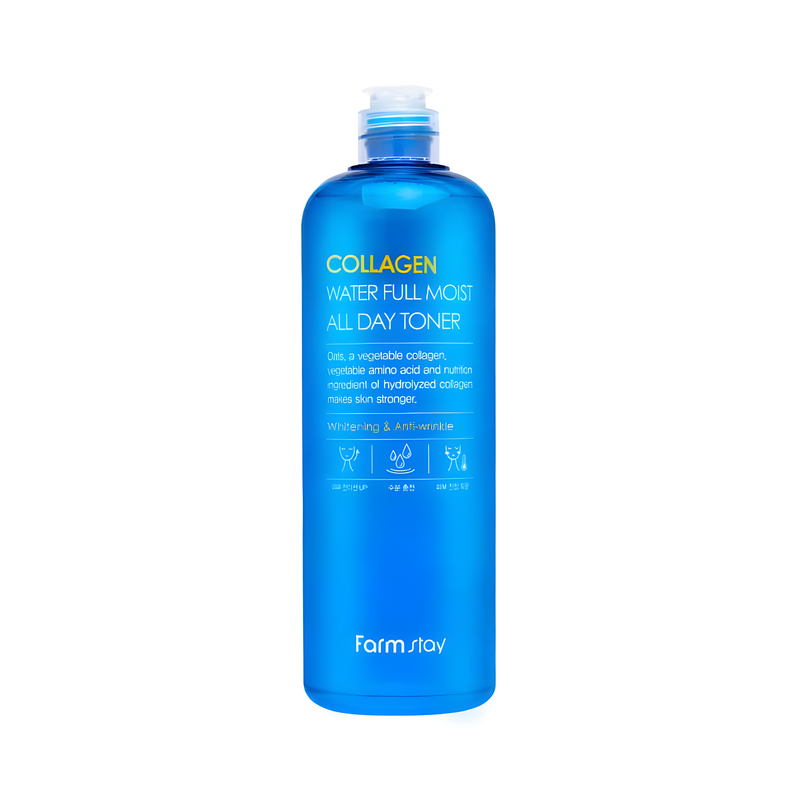
Korean toners are not like the alcohol-based astringents of older Western routines. They are hydrating, balancing, and light — the first wave of moisture after cleansing. A good toner restores your skin's pH level and primes it to absorb everything that follows. Look for ingredients like hyaluronic acid for dry skin or niacinamide (which visibly evens skin tone over several weeks) for oily and combination types.
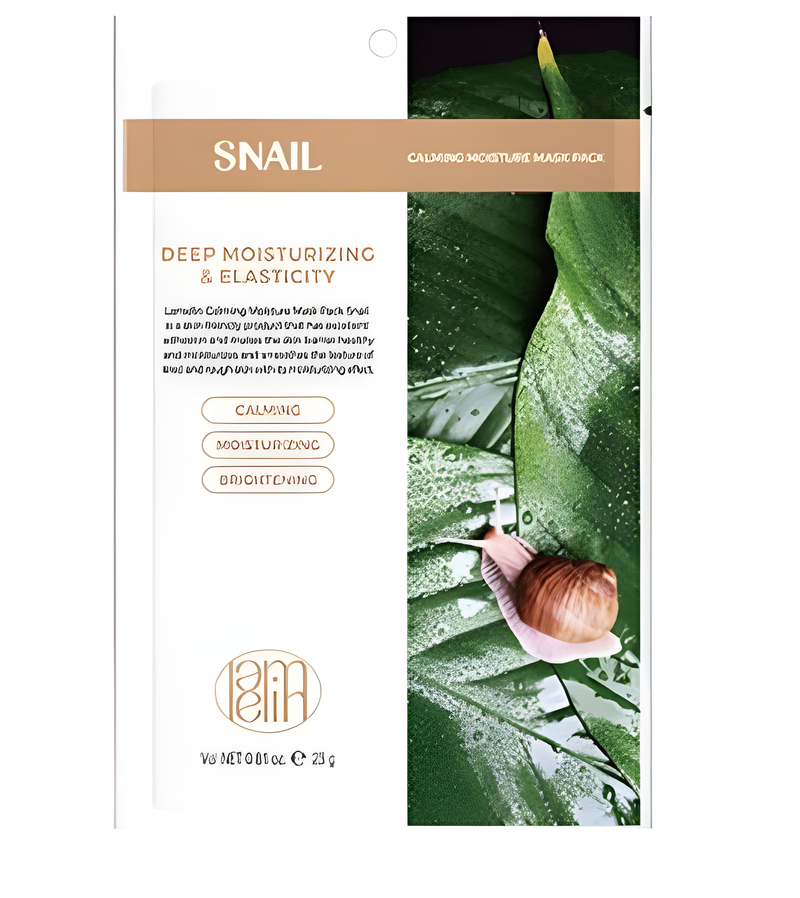
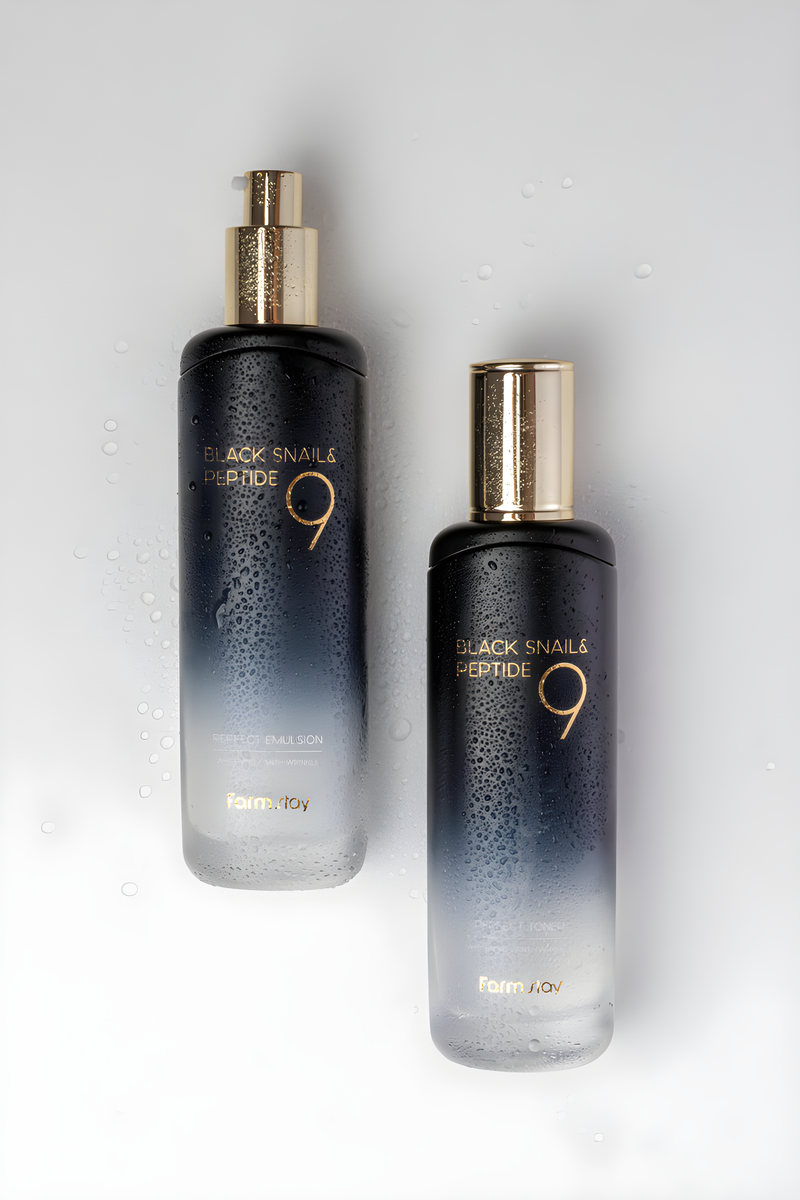
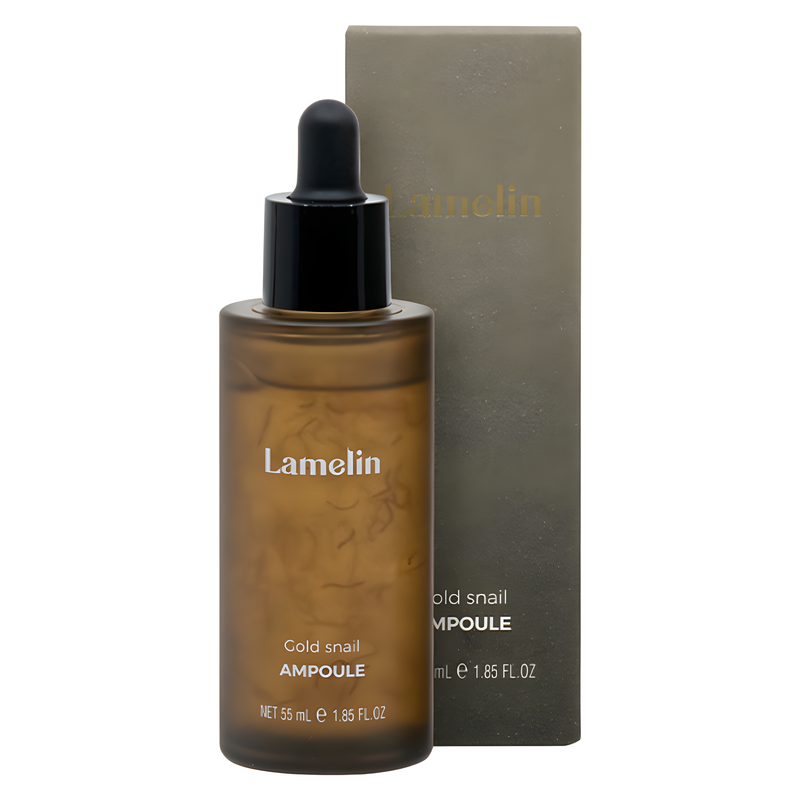
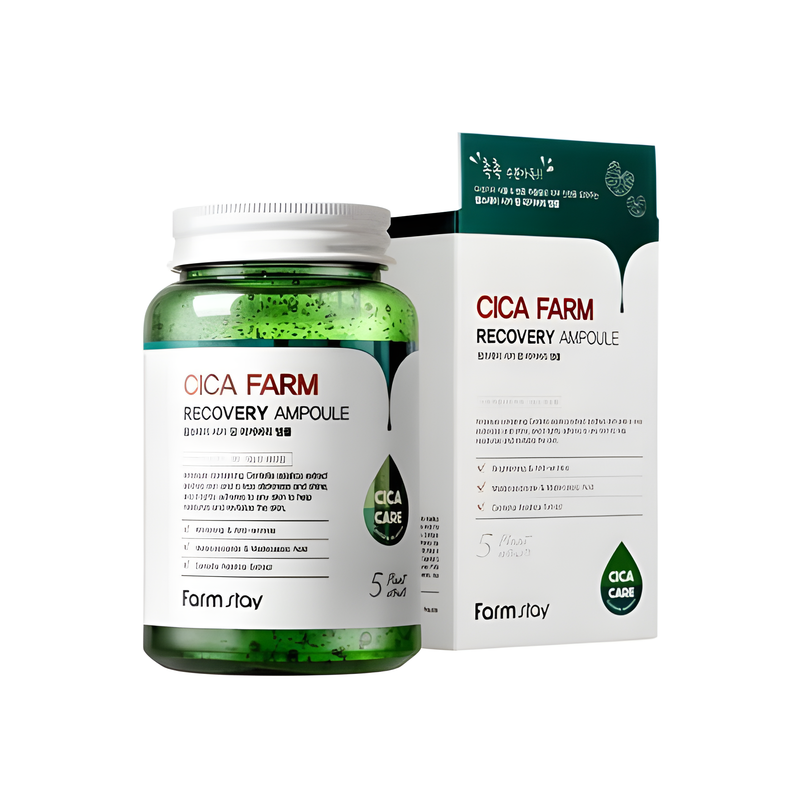
An essence sits between a toner and a serum in texture — slightly thicker, concentrated in active ingredients, and focused on long-term skin health. This is the step most distinctive to Korean skincare. Essences often contain fermented ingredients, snail mucin, or centella asiatica (cica) — a plant extract widely used in K-beauty for its ability to calm irritation and strengthen the skin barrier.
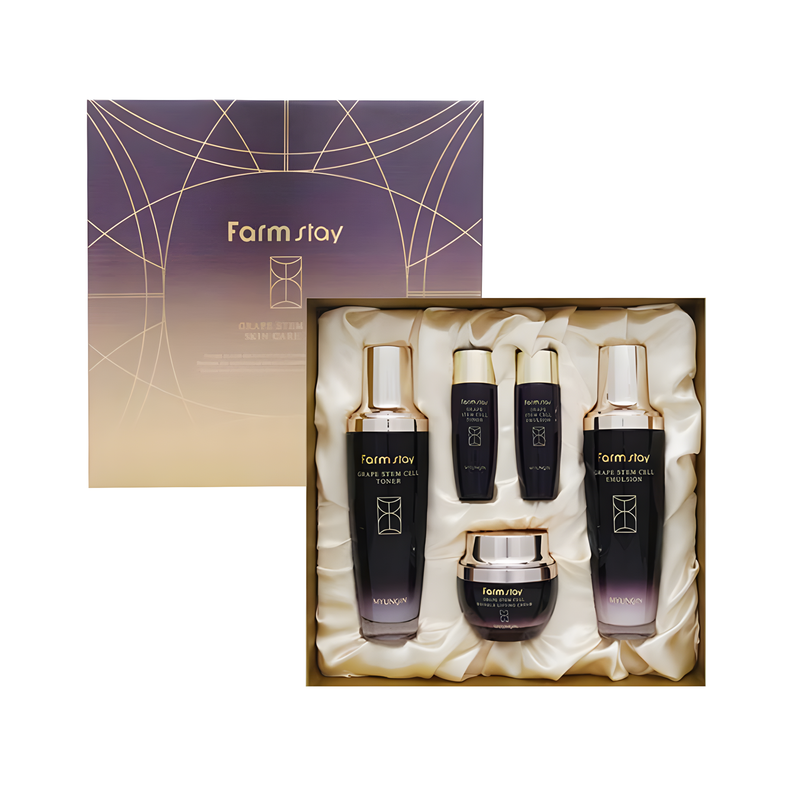
If you are starting your K-beauty routine and not sure where to invest first, a good essence or toner is usually the step that people notice first. Face Serums, Essences and Emulsions has options across most skin concerns.
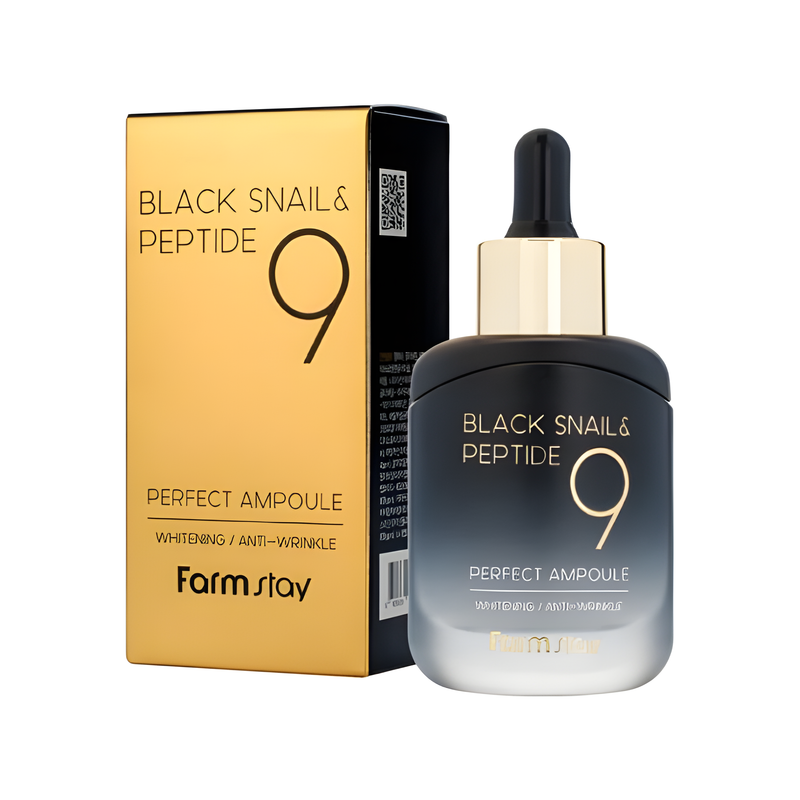
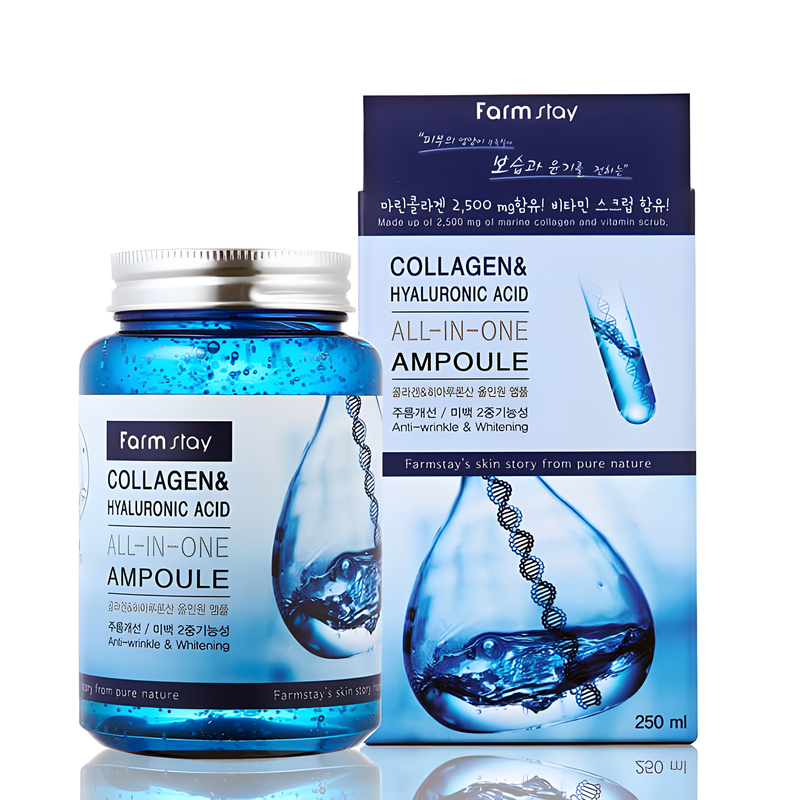
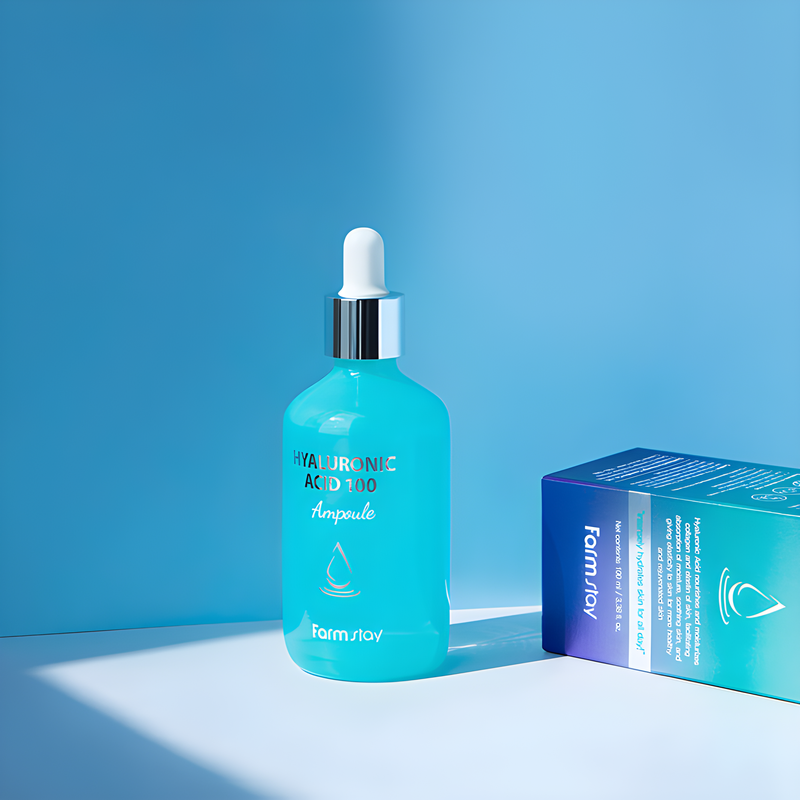
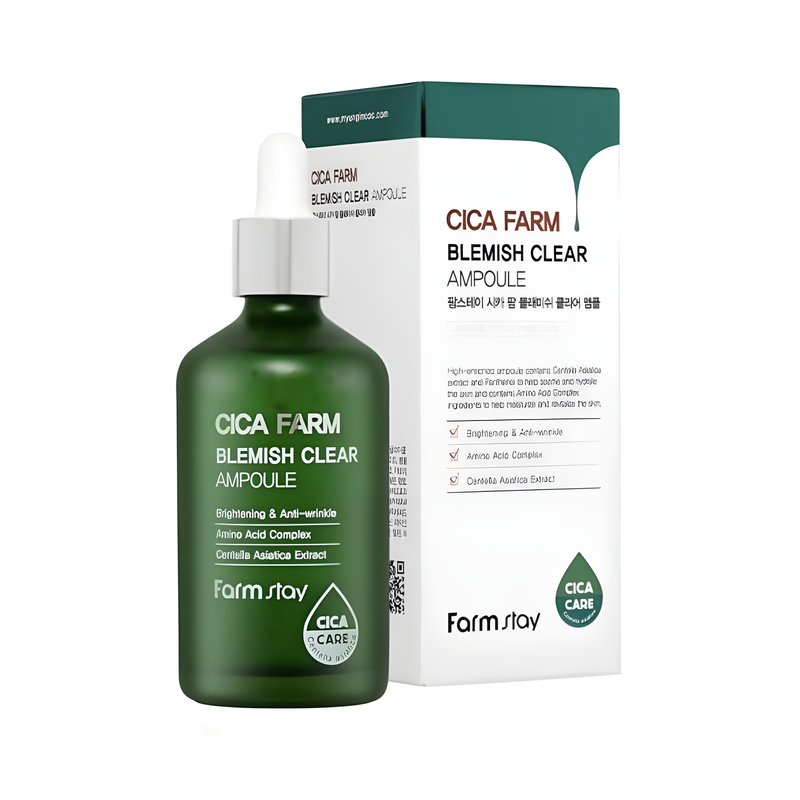
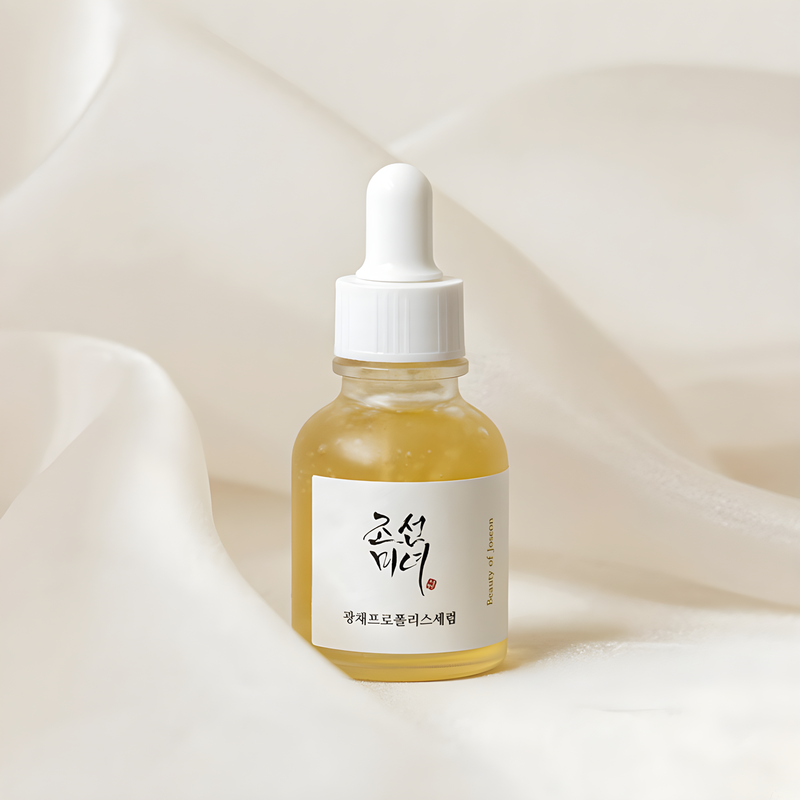
This is where you address a specific skin concern. Serums are more concentrated than essences and are designed to go deep. Common targets:
You do not need to use all of these. One targeted serum/ampoule or emulsion suited to your primary concern is enough.
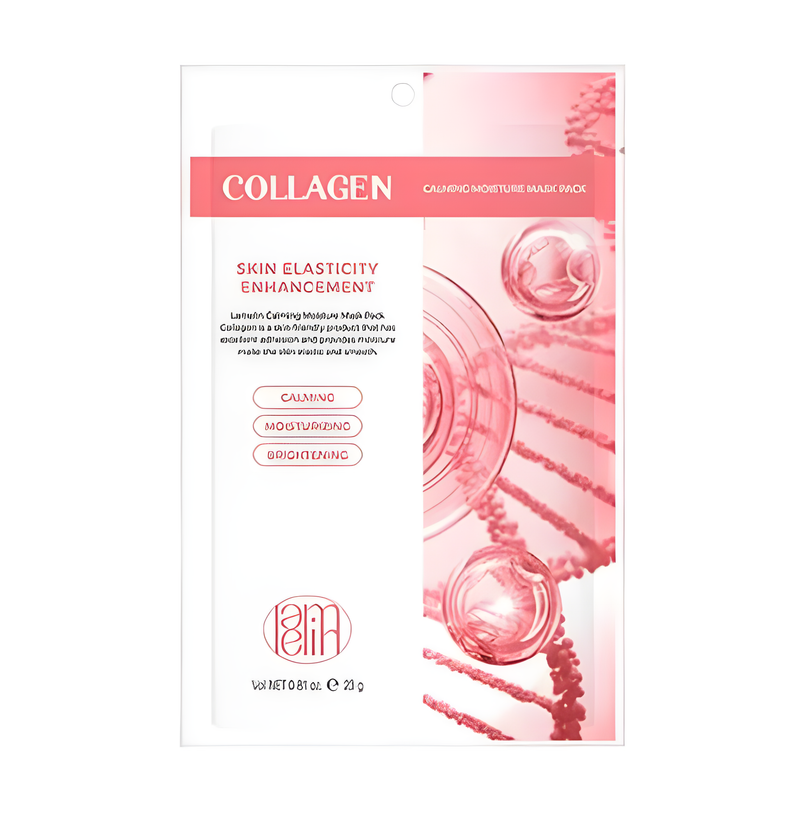
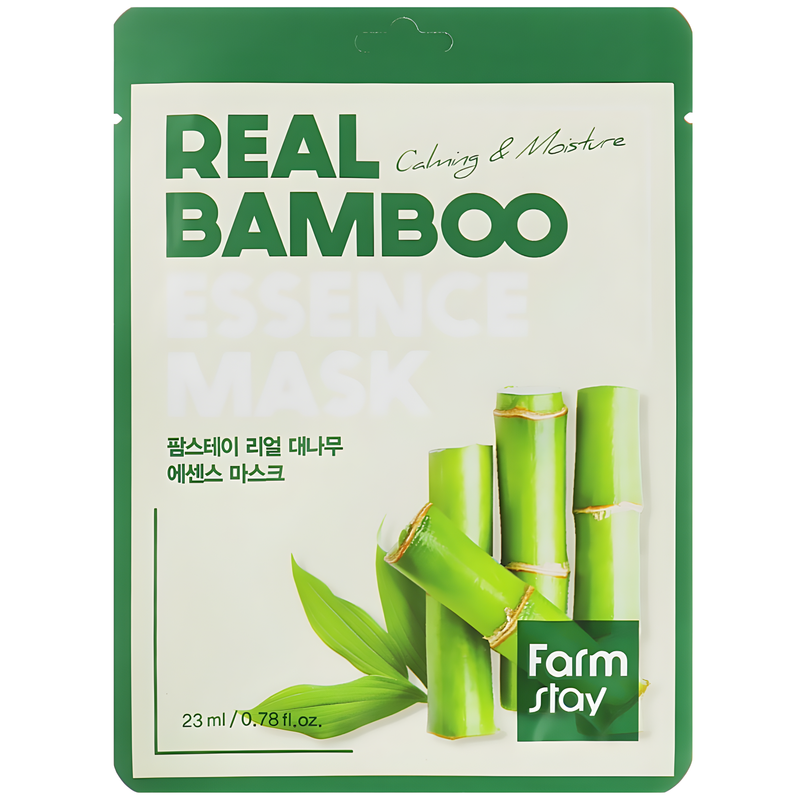
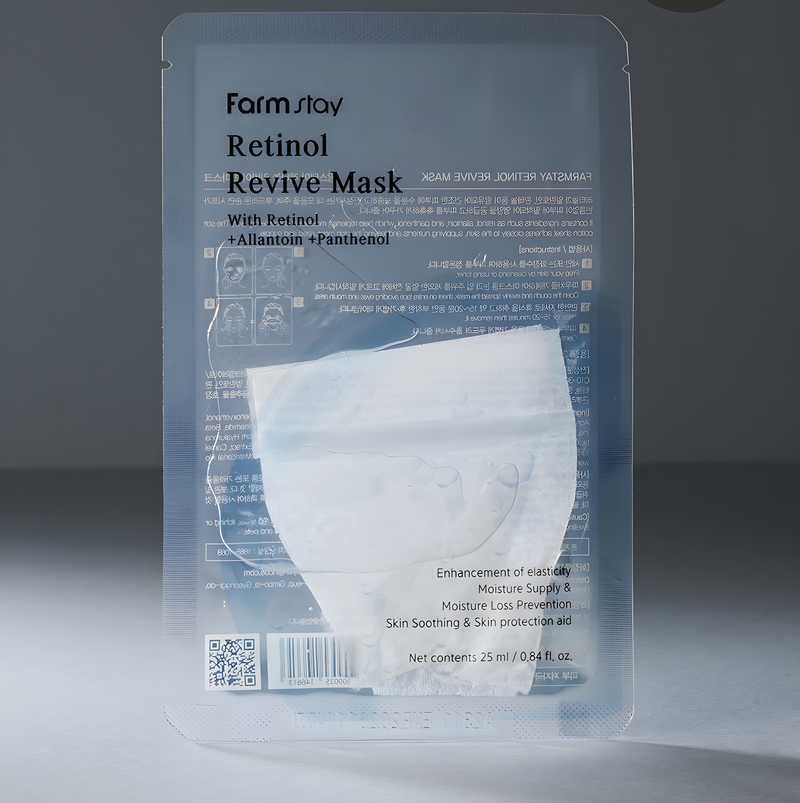
A sheet mask is not a daily product — it is a 15-to-20-minute treatment that floods skin with concentrated serum. Use it once or twice a week, or before an event when you want your skin to look its best quickly. After removing the mask, do not rinse: pat the remaining serum into your skin and continue with the next steps.
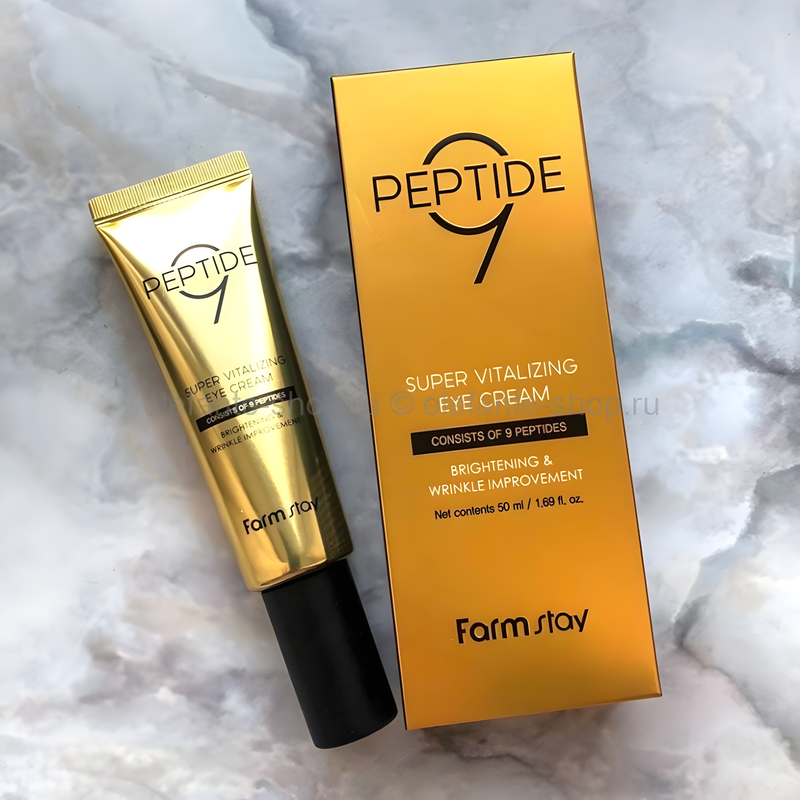
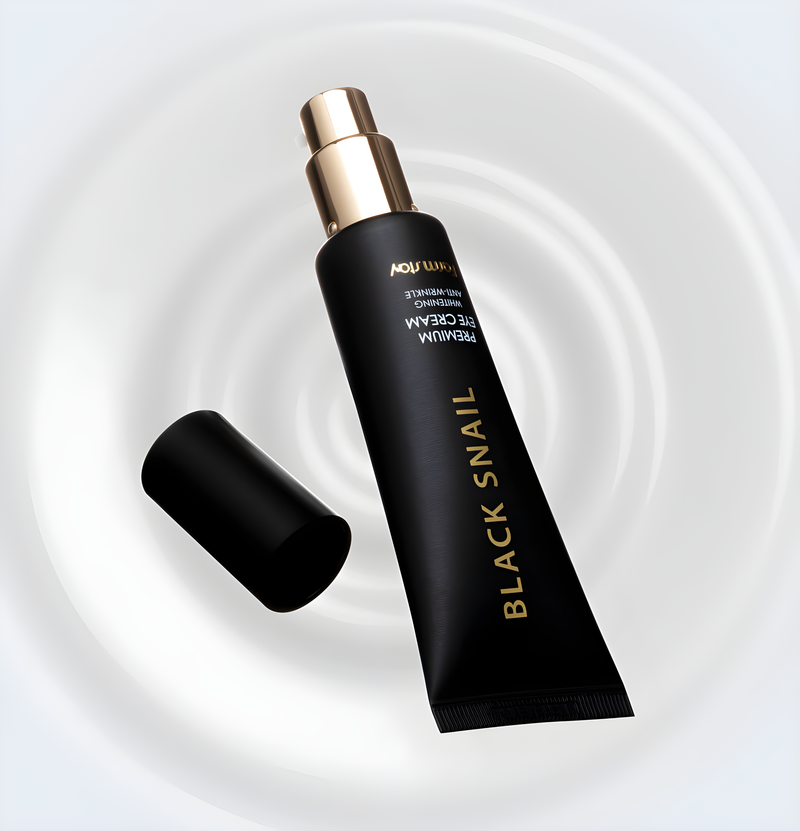
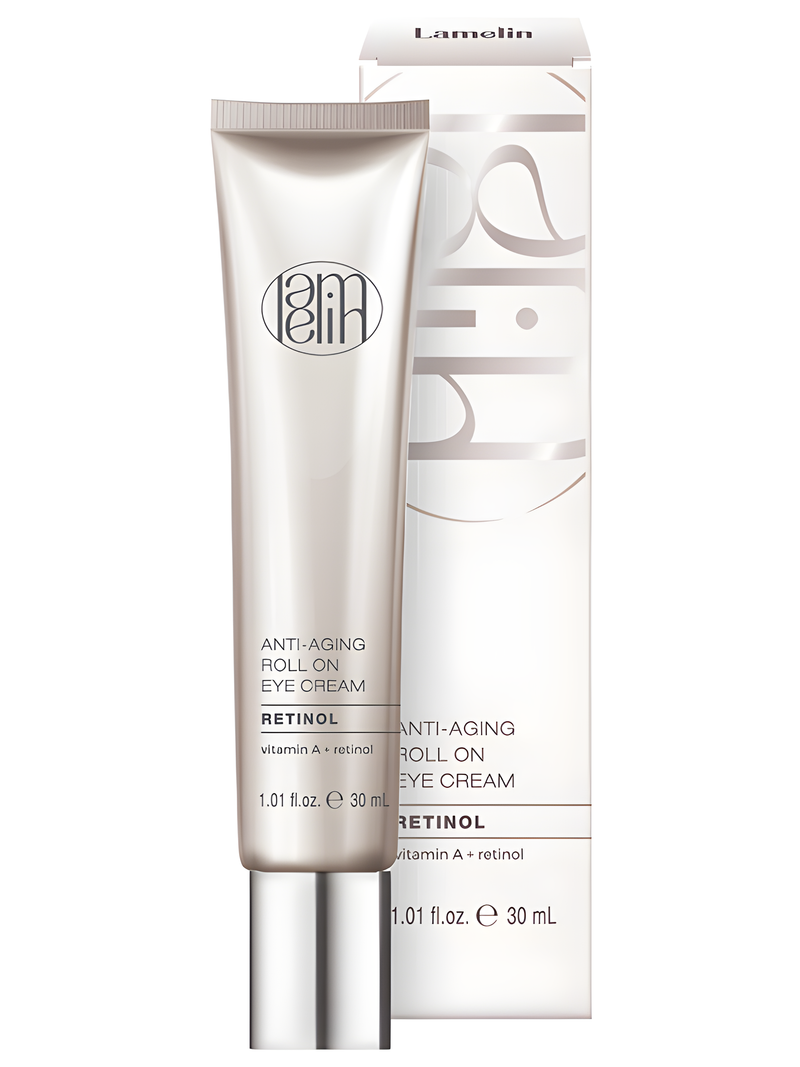
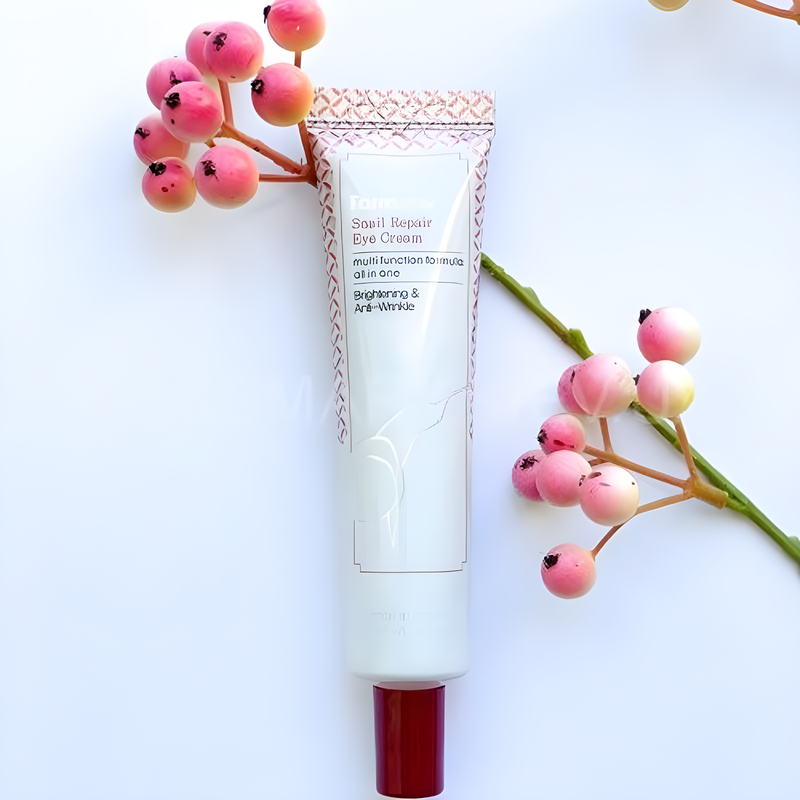
The skin around the eye is thinner than the rest of your face and loses moisture faster. Eye creams are formulated to be gentle enough for that area while addressing dark circles, puffiness, and fine lines. Apply with your ring finger (the one with the lightest pressure) using small tapping motions — never drag.
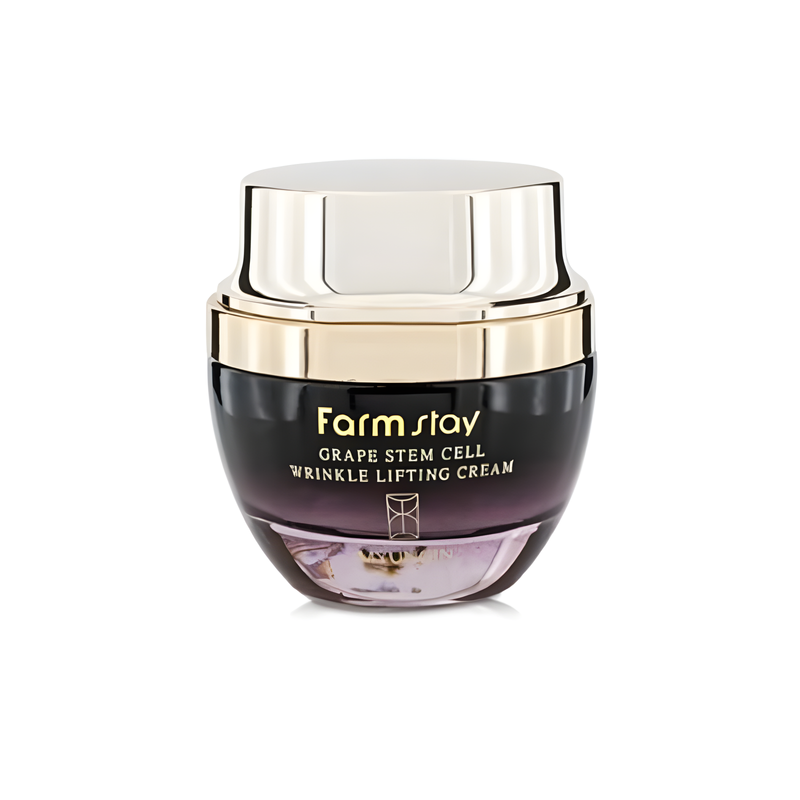
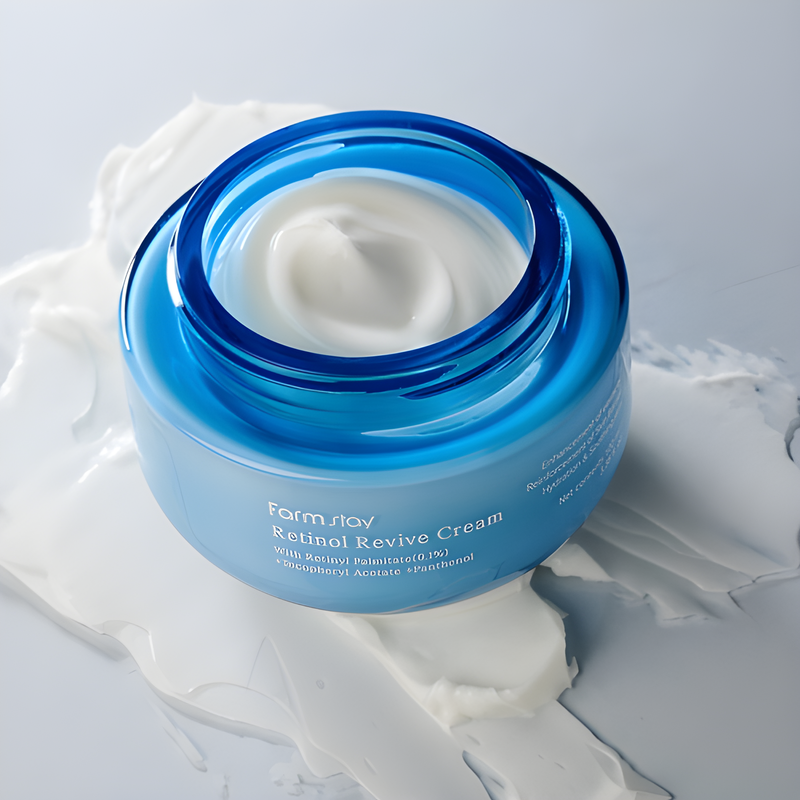
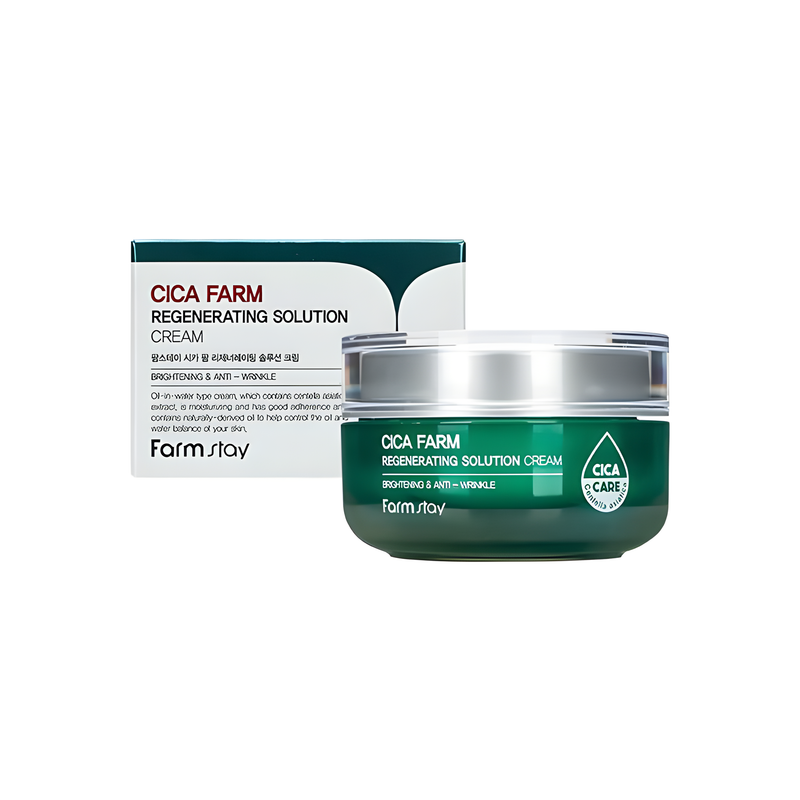
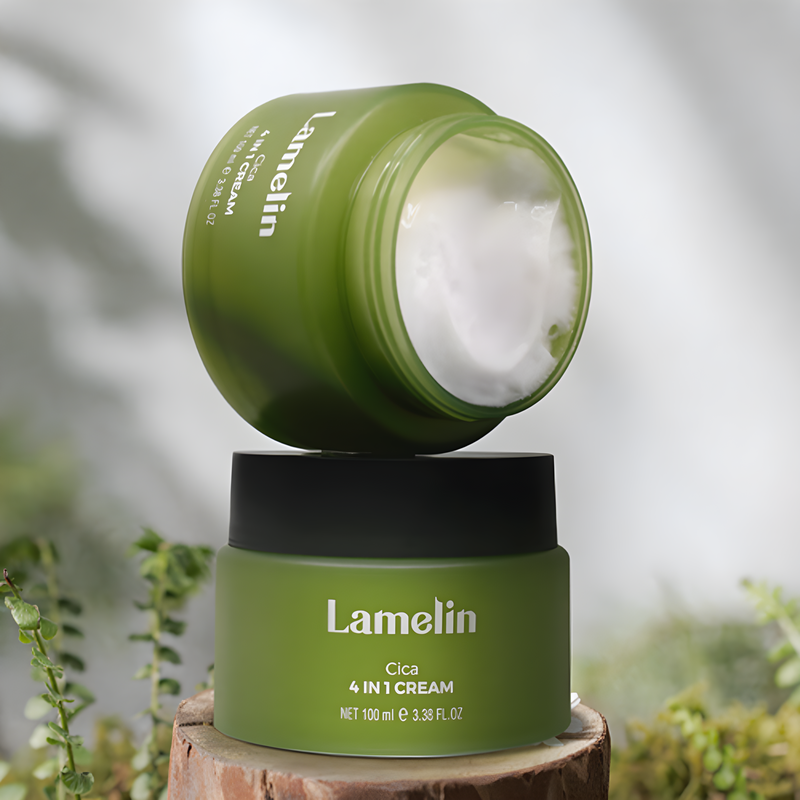
The moisturiser seals everything you have applied and prevents water loss throughout the day or night. Skin type guides your choice: gel formulas work well for oily skin, richer creams suit dry skin, and combination skin often does best with a lightweight lotion. The goal is to wake up with skin that feels hydrated, not tight.
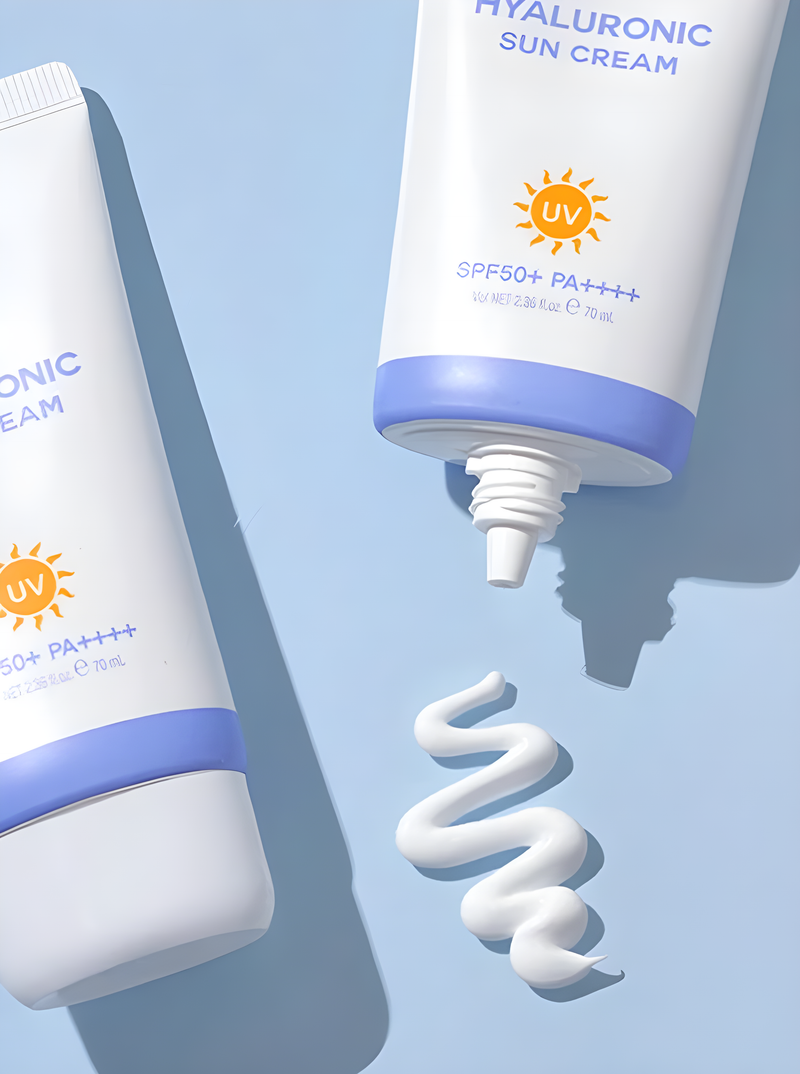
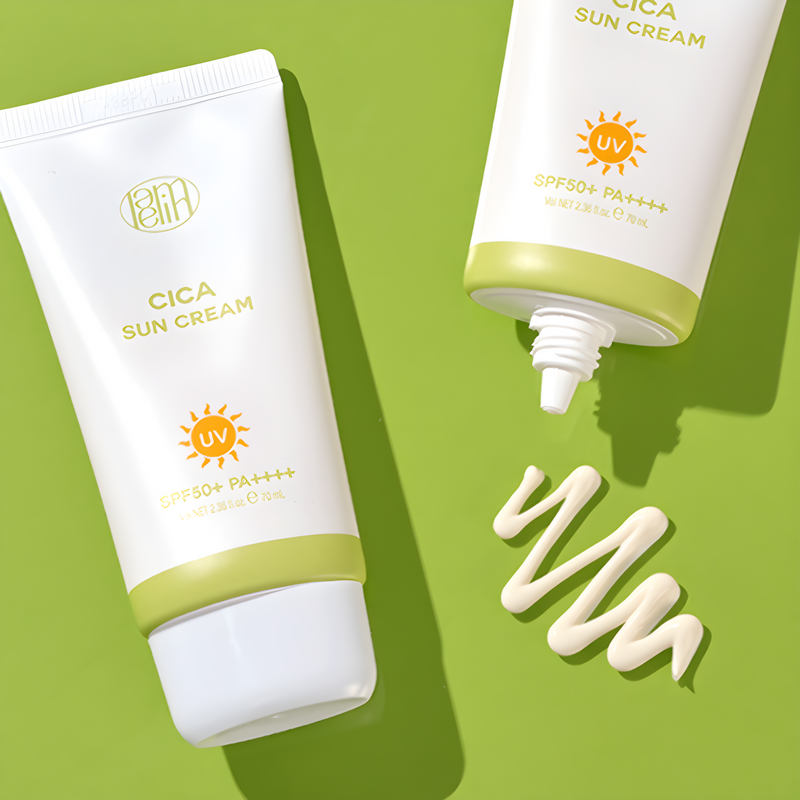
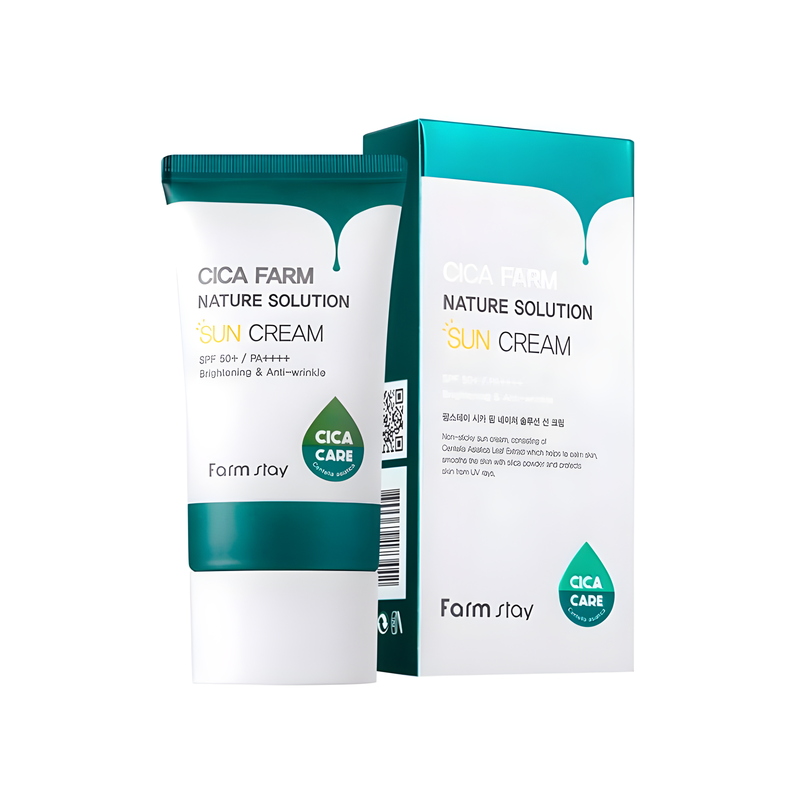
Morning: Korean sunscreens are formulated differently from most Western ones — lighter, often invisible, and comfortable to wear daily. SPF is non-negotiable in any skincare routine: UV damage is the primary driver of uneven skin tone, premature lines, and barrier breakdown. If you only add one product to your routine, make it this one.
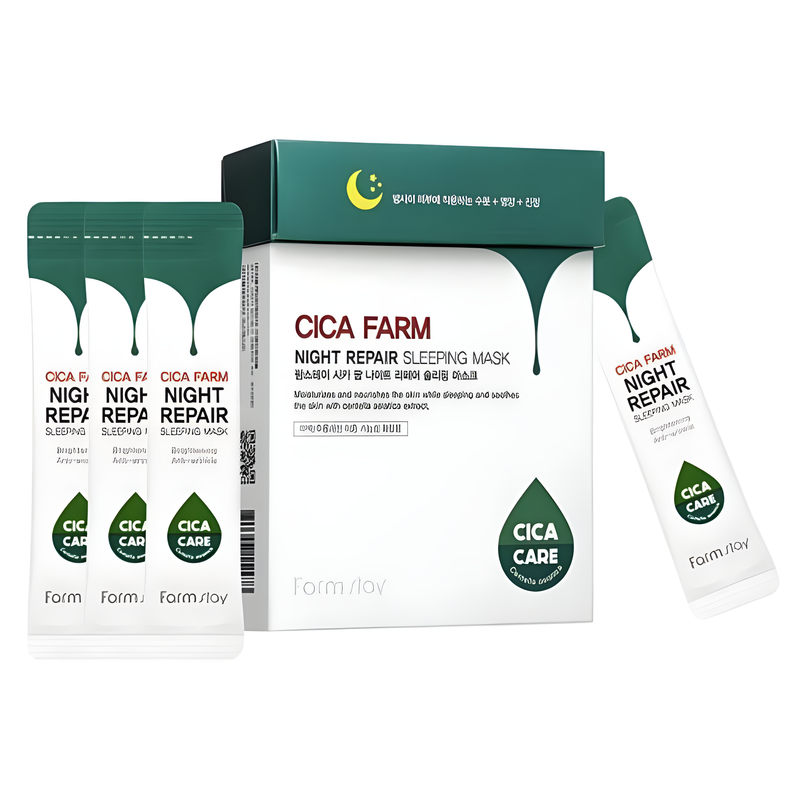
Night: A sleeping mask (also called a night mask) is applied as the final step of your evening routine. Unlike a sheet mask, you leave it on overnight. It creates a seal that allows all the active ingredients underneath to keep working while you sleep, and you rinse it off in the morning.
The full routine is aspirational. A consistent 4-step routine done daily will outperform a 10-step routine done once a week. Begin here: oil cleanser → water cleanser → moisturiser → SPF. Add steps one at a time as you understand your skin better.
If you are in Georgia and want to try a Korean skincare routine without guesswork, Browse by skin concern at beautybar.ge to find products matched to what your skin actually needs — whether that is acne, dryness, sensitivity, or uneven tone. Every product on the site is verified authentic and stocked because we chose it, not because it fills a catalogue slot.
You deserve skin that feels looked after. The routine is just the beginning.


0 Item(s)